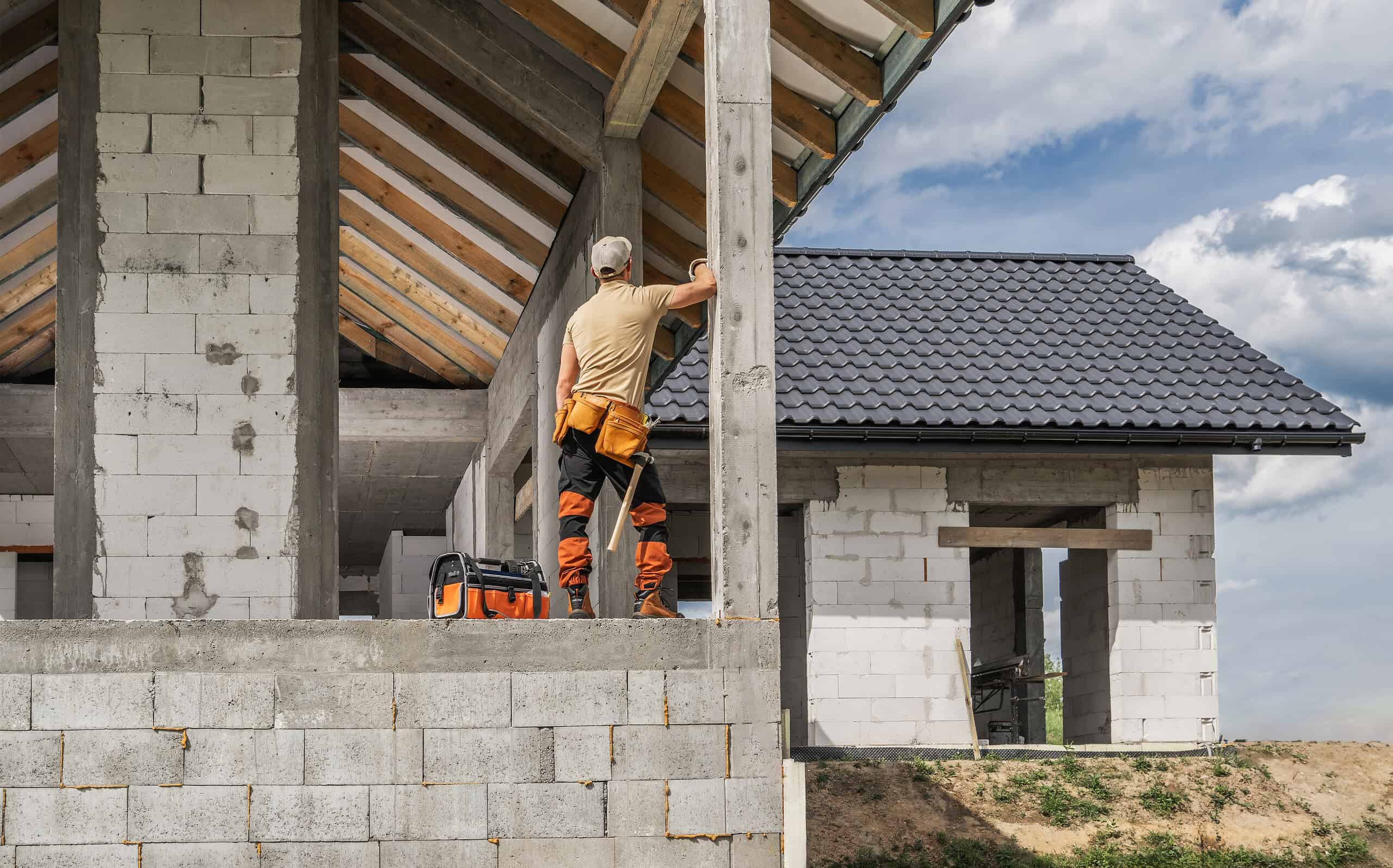
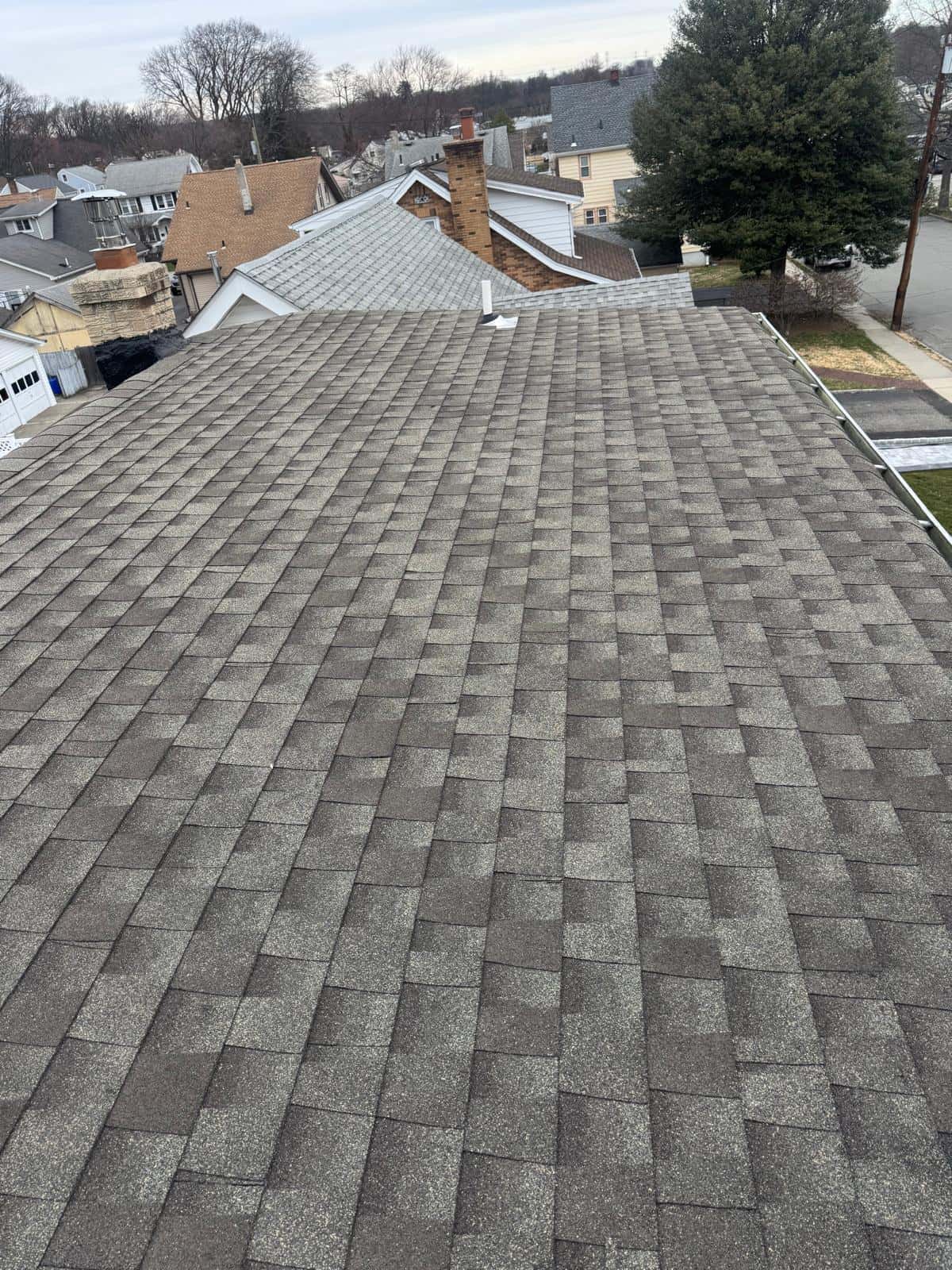
Short answer: yes. An asphalt shingle roof can be replaced during a New Jersey winter, as long as the crew works on dry, clear days and follows the shingle maker’s cold-weather instructions. Shingle manufacturer GAF recommends installing at 40°F or warmer, and hand-sealing the shingles when it’s colder, because the adhesive strip needs warmth and sun to bond. Most of our roof replacements take 1 to 3 days on site, so a job can usually fit between storms.
Is it safe to install a new roof in cold weather?
Yes, when it’s done with the right precautions. Two things change when the temperature drops. First, the sealant strip on each shingle is heat-activated, so in cold weather it may not stick down to the shingle below until the weather warms up. Second, shingles get stiff. The Asphalt Roofing Manufacturers Association (ARMA) warns that cold shingles can crack or break if they’re bent, thrown or dropped.
Neither problem means the roof has to wait for spring. It means the crew has to work differently. GAF’s cold-weather guidance says that following its instructions, including hand sealing, does not affect the shingle warranty. If you want to understand what that warranty covers, see our guide to roof warranties explained.
What does a roofing crew do differently in winter?
| Winter issue | Why it matters | What a careful crew does |
|---|---|---|
| Sealant strip won’t activate | GAF says the strip needs warmth, sun and temperatures above 40°F to seal | Hand-seals the shingles with an approved asphalt roofing cement |
| Stiff, brittle shingles | Cold shingles can crack when bent or dropped (ARMA) | Keeps bundles stored warm, carries small loads up at a time, doesn’t throw them |
| Snow, frost or ice on the deck | Unsafe footing, and shingles shouldn’t go down over ice or frost | Waits until the roof deck is clear, clean and dry |
| Cold air tools | GAF notes cold can drop compressor pressure, so nails may not sit right | Checks nail gun pressure often so nails are driven flush, not too deep or too shallow |
| Valleys | Woven and closed-cut valleys require bending shingles | ARMA suggests open metal valleys in cold weather |
| Short days | Less daylight and warmth to work with | Schedules the work for the warmest hours and does the roof in sections |
GAF also recommends keeping shingle bundles in a heated space, around 70°F, for at least 24 hours before they go on the roof. Ask your contractor how they handle storage and sealing before you sign. Our list of questions to ask before you hire a roofer in NJ is a good place to start.
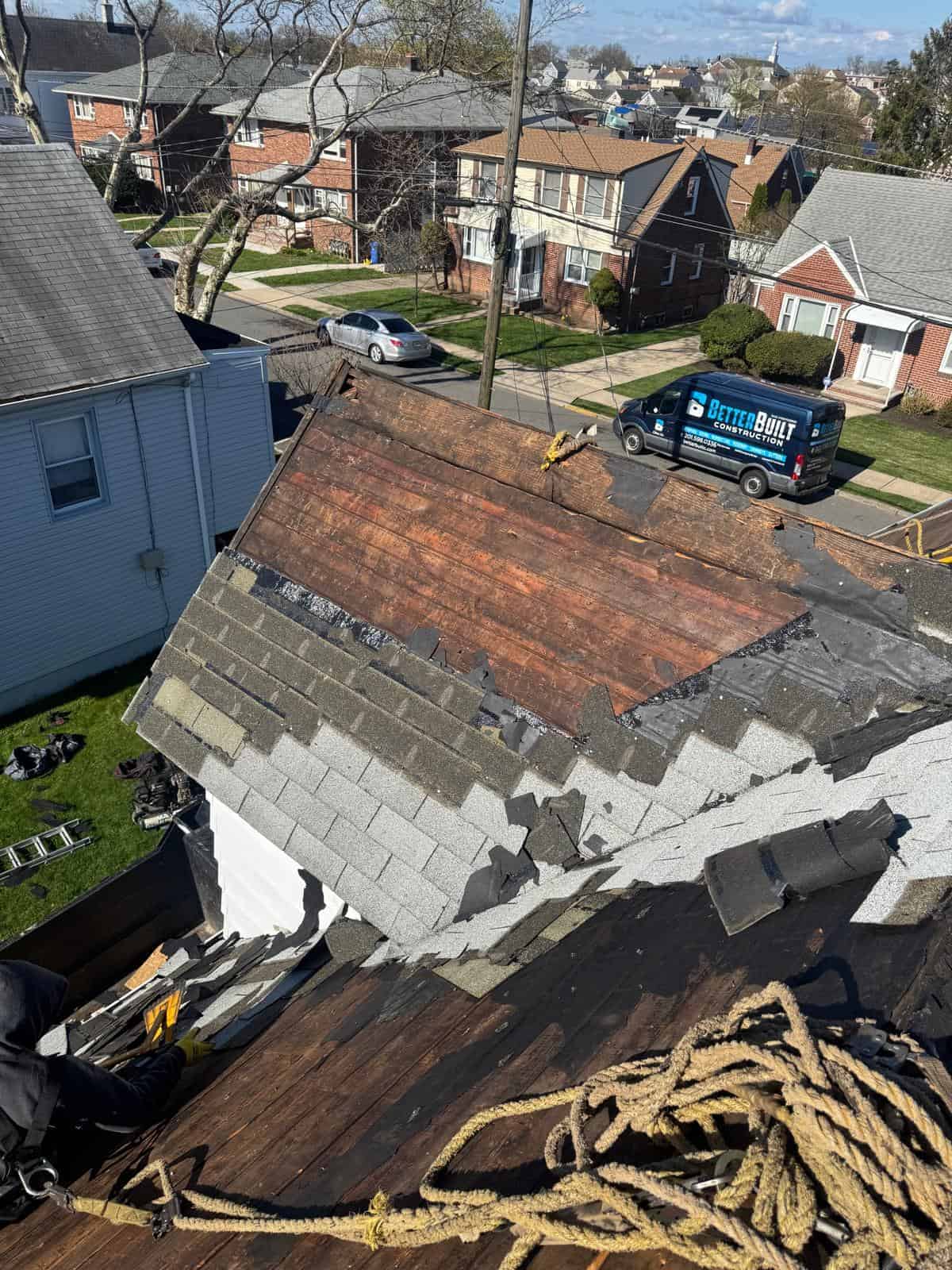
What are the downsides of replacing a roof in winter?
- Weather delays. Snow, sleet and freezing rain can push the start date back. According to the Office of the New Jersey State Climatologist, the state’s northern zone averages 40 to 50 inches of snow a year, compared with 10 to 15 inches in the far south.
- Shingles may not fully seal until it warms up. That’s why hand sealing matters. Without it, tabs are more likely to lift in a winter wind.
- Shorter working days. Less daylight means the crew may spread the job over more days than in summer.
- More care, more labor. Warm storage, hand sealing and slower handling all take extra time.
Should you replace your roof now or wait for spring?
It depends on whether the roof is keeping water out right now.
- Go ahead this winter if the roof is actively leaking, shingles are blowing off, the deck feels soft, or a storm has damaged it. Waiting months with a failing roof usually means more damage to the deck, insulation and ceilings. If water is already coming in, read what to do about a roof leak in winter.
- Waiting is reasonable if the roof is old but dry, or if a small repair can hold it until spring. Our guide to roof repair vs. replacement walks through how to decide.
- Either way, plan now. Getting quotes and choosing materials over the winter means you’re ready to book as soon as the weather allows. For budgeting, see how much a new roof costs in NJ.
What happens on a winter roof replacement?
The steps are the same as any other time of year. We usually recommend a full tear-off rather than laying new shingles over the old ones, so the deck can be checked and any rotted boards replaced. In winter, a few steps get extra attention:
- Check the forecast and the roof. Work starts only when the roof is free of snow, frost and ice.
- Tear off one section at a time so the house is never left open for long.
- Repair the deck and lay underlayment. ARMA recommends self-adhering, polymer-modified underlayment at the eaves in areas prone to ice dams, which includes much of North Jersey. Learn more in our guide to ice dams in New Jersey.
- Install and hand-seal the shingles when temperatures call for it.
- Check ventilation. ARMA’s cold-weather guidance also calls for an adequately ventilated attic. A replacement is the easiest time to fix it. See how much attic ventilation a roof needs.
- Clean up the yard and driveway, including nails hidden in the snow.
Frequently asked questions
What’s the coldest temperature you can install shingles?
It depends on the product, so check the manufacturer’s instructions. GAF’s official recommendation is 40°F or warmer, and it allows installation below that if its cold-weather precautions, such as hand sealing, are followed.
Can a roof be replaced with snow on it?
No. Both GAF and ARMA say the deck should be clear of snow, frost and ice before shingles go down. A good crew waits for a clear, dry day.
Will my new roof leak if the shingles haven’t sealed yet?
The underlayment and overlapping shingles shed normal rain, so the main risk from unsealed tabs is wind lifting them, which can also let wind-driven rain in. Hand sealing reduces that risk until warmer weather lets the strips bond.
Need a new roof before spring?
We’ll look at your roof, tell you honestly whether it can wait, and schedule the work around the weather if it can’t. Better Built Construction replaces roofs across North and Central New Jersey, including roof replacement in Bergen County. Call (201) 598-0336 or request a free quote. Learn more about our roof replacement service.
About Better Built Construction
This guide was written by the roofing team at Better Built Construction, a family-owned roofing and exterior contractor based at 50 Lisbon St, Clifton, NJ 07013. We repair and replace roofs, flat roofs, siding and skylights for homes and businesses across North and Central New Jersey, with 24/7 emergency service. Licensed and insured. NJ HIC Reg. #13VH10432600
Sources: GAF, “Cool Weather Roofing: Must-Know Tips for Installing Shingles in Cool Temperatures”; Asphalt Roofing Manufacturers Association, “Recommendations for Installation of Asphalt Roofing Shingles in Cold Weather”; Office of the New Jersey State Climatologist, “New Jersey Climate Overview.”